Floating Pumping Stations: Fast, Flexible & Cost-Effective Water Solutions
- Share
- Issue Time
- Mar 23,2026
Summary
When water levels fluctuate or emergencies strike, traditional fixed infrastructure often falls short. Floating Pumping Stations offer a smarter alternative: rapid deployment, unmatched adaptability, and lower costs. Whether for flood control, irrigation, or industrial dewatering, these mobile units are redefining water management in 2026.
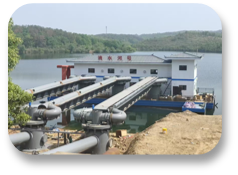
What Is a Floating Pumping Station?
A Floating Pumping Station is a complete pumping system mounted on a buoyant platform (pontoon). It floats directly on the water source—rivers, lakes, or flood zones—and automatically adjusts to changing water levels.
Core Components:
· High-Efficiency Pumps: Diesel or electric driven.
· Stable Pontoon: Made from durable steel or HDPE.
· Flexible Discharge: Hoses or pipes that move with the water.
· Mooring System: Keeps the unit stable during operation.
Why Choose Floating Over Fixed?
1. Rapid Deployment
No need for months of civil construction. Floating stations can be towed to a site and operational within days. This makes them the gold standard for emergency flood response and urgent dewatering projects.
2. Automatic Level Adaptation
As water levels rise or fall, the station rises and falls with them. This ensures continuous pump intake submersion, eliminating the risk of running dry or cavitation—a common failure point for fixed stations during droughts or floods.
3. Significant Cost Savings
Lower CAPEX: Eliminates expensive excavation, piling, and concrete foundations.
Relocatable: One unit can serve multiple sites over its lifespan, maximizing your investment.
Easy Maintenance: All equipment is accessible on deck, reducing repair time and costs.
4. Minimal Environmental Impact
Since no riverbed digging or damming is required, aquatic ecosystems remain undisturbed. The temporary nature of the installation leaves no permanent footprint once removed.
Key Applications
🌊 Emergency Flood Control: Quickly remove excess water from inundated cities, roads, and farmlands.
🌾 Agricultural Irrigation: Draw water from rivers even during low-water seasons to keep crops hydrated.
🏭 Industrial & Mining Dewatering: Manage water accumulation in open-pit mines or construction sites efficiently.
💧 Water Transfer: Move large volumes of water between reservoirs or across levees.
Quick Comparison: Floating vs. Fixed
| Feature | Floating Station | Fixed Station |
| Setup Time | Days | Months |
| Cost | Low (No civil works) | High (Foundation heavy) |
| Mobility | Fully Relocatable | Permanent |
Water Level Changes | Auto-adjusts | Limited range |
Maintenance | Easy access | Complex/Requires draining |
How to Select the Right Unit
1.Flow & Head: Calculate the required water volume and lifting height.
2.Power Source: Choose Diesel for remote/portable needs or Electric for grid-connected sites.
3.Site Conditions: Assess debris levels, water salinity, and maximum expected water level swings.
4.Anchoring: Determine if simple mooring lines or heavy-duty anchors are needed based on current speed.
Conclusion
In an unpredictable climate, flexibility is power. Floating Pumping Stations provide a robust, cost-effective, and immediate solution for modern water challenges. By skipping heavy construction and embracing mobility, you ensure your operations stay running regardless of water levels.
Ready to deploy? Contact us today to find the perfect floating pump configuration for your 2026 project.
FAQ
Q: How fast can a floating station be installed?
A: Typically 24–72 hours from arrival on-site to full operation.
Q: Can they work in rough weather?
A: Yes, designed with stable pontoons and secure mooring systems to handle waves and wind, though extreme storms may require temporary relocation.
Q: What powers these stations?
A: Most run on reliable diesel engines for independence, or electric motors where grid power is available.
Q: Are they difficult to maintain?
A: No. Since all machinery sits above water on the deck, routine checks and repairs are safe and straightforward.
Keywords: Floating Pumping Stations, Mobile Pump Solutions, Flood Control, Irrigation Barge, Emergency Dewatering, Portable Pump Station, Water Management 2026.